Home About Us Our Publications Make a
Donation Email: glenn.benson@yourbrotherglenn.org
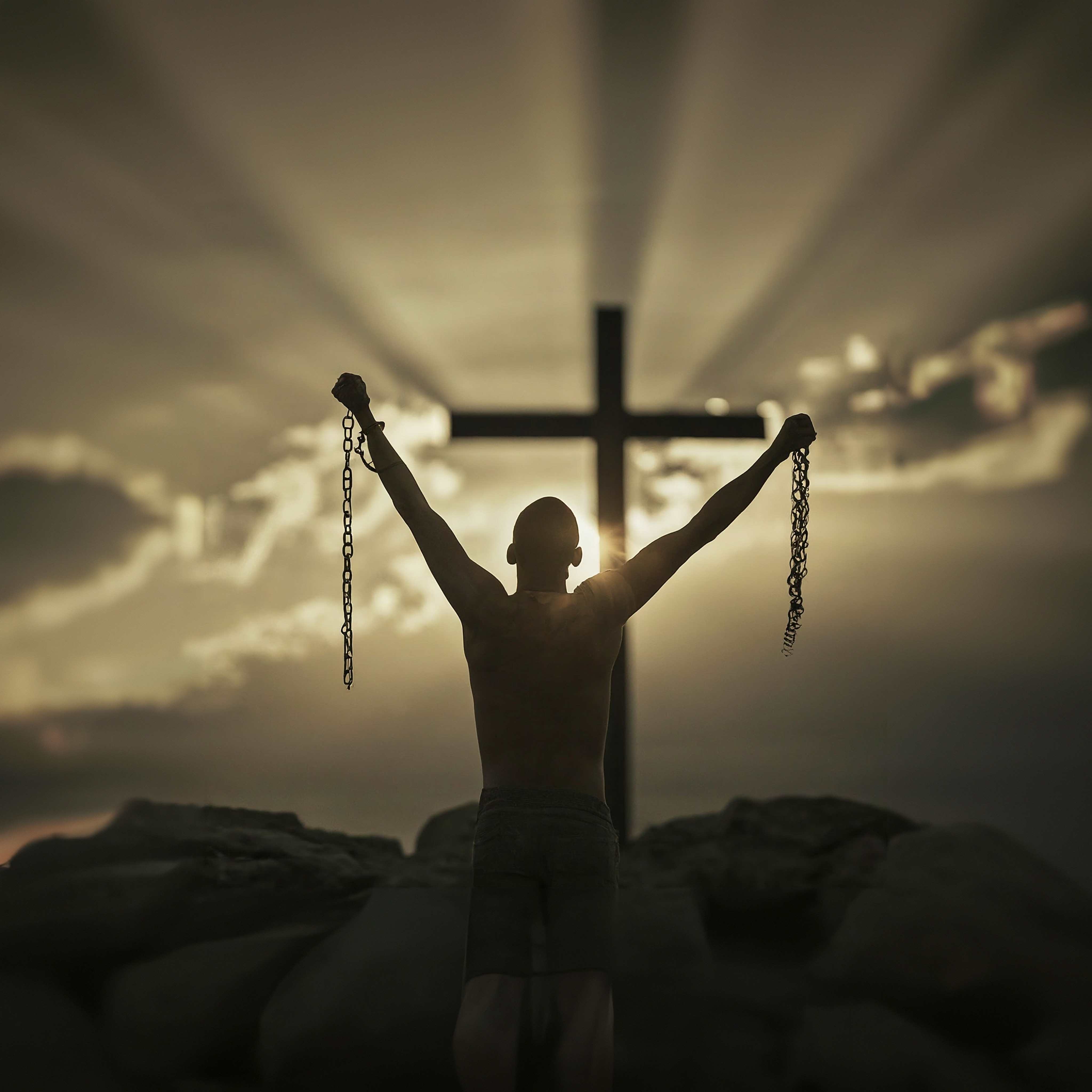
“For the law of the Spirit of life in Christ
Jesus has made me free from the law of sin and death.”
(Romans
8:2)
Psalms
– Britannica
Psalms
biblical literature
Psalms, book of the Old Testament composed of sacred songs,
or of sacred poems meant to be sung. In the Hebrew Bible, Psalms begins the
third and last section of the biblical canon, known as the Writings (Hebrew
Ketuvim).
In the original Hebrew text the book as a whole was not
named, although the titles of many individual psalms contained the word mizmor,
meaning a poem sung to the accompaniment of a stringed instrument. The Greek
translation of this term, psalmos, is the basis for the collective title
Psalmoi found in most manuscripts, from which the English name Psalms is
derived. A variant translation found in a 5th-century manuscript of the Septuagint
is Psaltērion, whence the English name Psalter, which is often used as an
alternative name for the Book of Psalms or for a separate collection of psalms
intended for liturgical use. Rabbinic literature uses the title Tehillim
(“Songs of Praise”), a curious hybrid of a feminine noun and a masculine plural
ending.
In its present form, the book of Psalms consists of 150
poems divided into five books (1–41, 42–72, 73–89, 90–106, 107–150), the first
four of which are marked off by concluding doxologies. Psalm 150 serves as a
doxology for the entire collection. This specific numbering follows the Hebrew
Bible; slight variations, such as conjoined or subdivided psalms, occur in
other versions. The fivefold division is perhaps meant to be an imitation of the
Pentateuch (the first five books of the Old Testament), suggesting that the
book reached its present form through liturgical use.
The psalms themselves range in mood and expression of faith
from joyous celebration to solemn hymn and bitter protest. They are sometimes
classified according to form or type; the major forms include the hymn (e.g.,
104, 135), the lament (e.g., 13, 80), the song of confidence (e.g., 46, 121),
and the song of thanksgiving (e.g., 9, 136). They may also be classified
according to subject matter. Thus a number of psalms have been called “royal”
psalms (2, 18, 20, 21, 28, 44, 45, 61, 63, 72, 89, 101, 110, 132) because they
feature the king, portraying him as both the representative of Yahweh to the
community and the representative of the community to Yahweh. Psalms are also
classified according to their use; the “Zion” hymns (46, 48, 76, 84, 87, 122),
for example, were part of a ritual reenactment of the great deeds of Yahweh in
maintaining Zion as the inviolable centre of his divine presence.
The dating of individual psalms poses an extremely
difficult problem, as does the question of their authorship. They were
evidently written over a number of centuries, from the early monarchy to
post-Exilic times, reflecting the varying stages of Israel’s history and the
varying moods of Israel’s faith. They were an integral part of the ritualized
activities that the Hebrew community developed for marking important public and
personal situations. Although many of the psalms had their setting in the
ritual life of the Temple of Solomon before the Babylonian Exile (6th century
BC), the Psalter became the hymnbook of the Second Temple of Jerusalem, and the
order of worship in the Temple probably played an important role in shaping and
ordering the book.
The psalms also had a profound effect on the development of
Christian worship. Luke believed the psalms to be a source of guidance. Obeying
Paul’s call to “sing psalms and hymns and spiritual songs,” the early Church
chanted or sang psalms as part of the liturgy. After the Reformation, psalms
were set to traditional melodies for congregational singing.
The Editors of Encyclopaedia Britannica
This article was most recently revised and updated by Adam
Augustyn.