Home About Us Our Publications Make a
Donation Email: glenn.benson@yourbrotherglenn.org
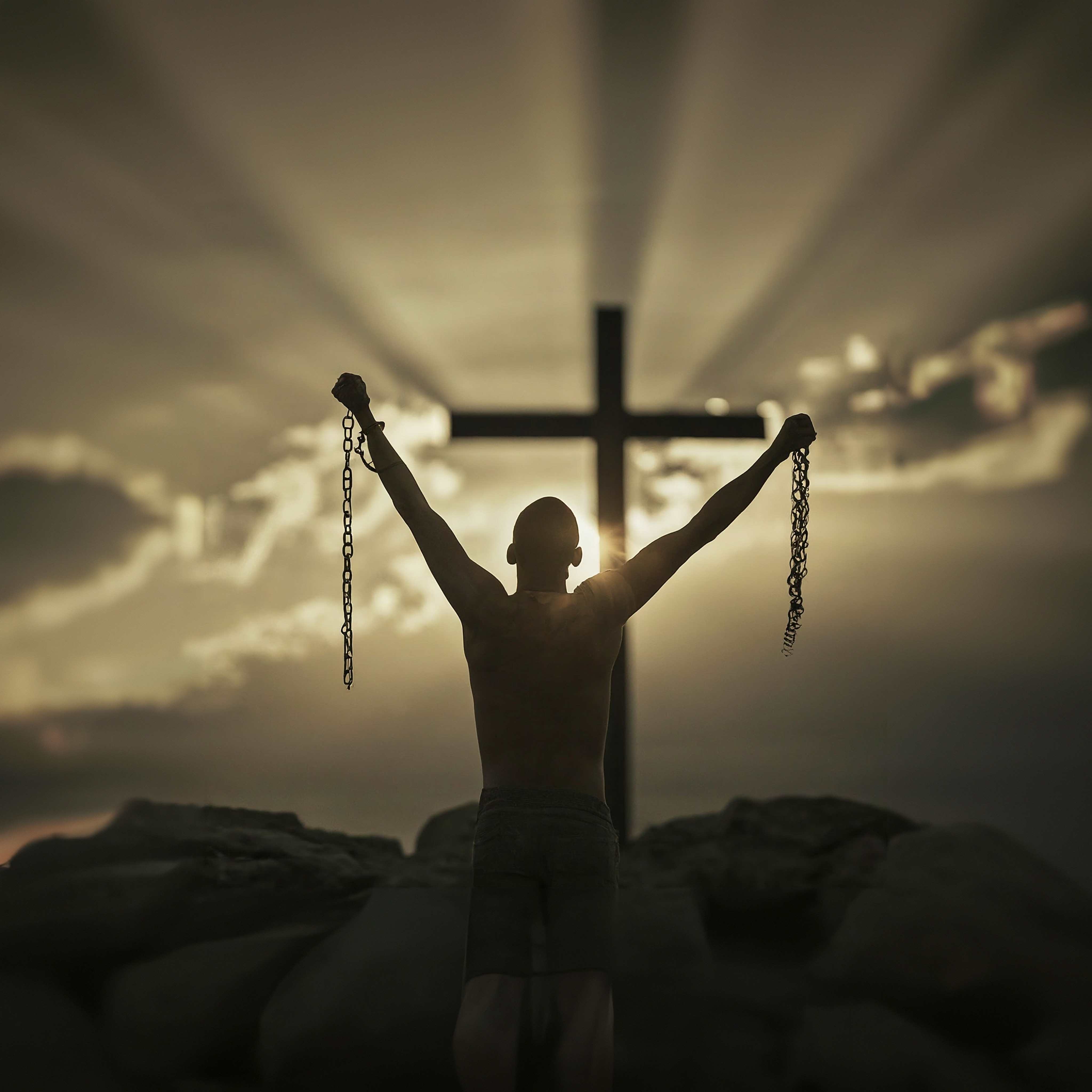
“For the law of the Spirit of life in Christ
Jesus has made me free from the law of sin and death.”
(Romans
8:2)
Joel
the Prophet – Wikipedia
Article
Talk
Read
Edit
View history
From Wikipedia, the free encyclopedia
Joel
Prophet
Venerated in:
Judaism
Christianity
Islam[citation needed]
Baháʼí Faith
Rastafari
Major shrine Gush
Halav, Israel
Feast October 19
(Orthodox)
Attributes Prophet
Major works Book of
Joel
Joel is a Biblical prophet, the second of the Twelve Minor
Prophets, and, according to itself, the author of the Book of Joel, which is
set in the early Assyrian period. Scholars meanwhile view the Book of Joel as
having been completed in the Ptolemaic period (c. 301-201 BC) due to its use of
earlier texts and perspective on Yahweh and the nations.[1]
Name
Joel is mentioned by name only once in the Hebrew Bible, in
the introduction to that book, as the son of Pethuel (Joel 1:1). The name
combines the covenant name of God, YHWH (or Yahweh), and El (god), and has been
translated as "YHWH is God" or "one to whom YHWH is God,"
that is, a worshiper of YHWH.[2]
Life
Some commentators suggest that Joel lived in the 9th
century BC,[2] whereas others assign him to the 5th or 4th century BC.[3] The
dating of his book is similarly debated; there are no mentions of kings that
might help locate it in time. The book's mention of Greeks[4] has not given
scholars any help in dating the text since the Greeks were known to have had
access to Judah from Mycenaean times (c. 1600–1100 BC).[5] However, the book's
mention of Judah's suffering[6] and to the standing temple[7] have led some
scholars to place the date of the book in the post-exilic period, after the
construction of the Second Temple.[citation needed] Joel was originally from
Judah/Judea, and, judging from its prominence in his prophecy, was quite
possibly a prophet associated with the ritual of either Solomon's or the Second
temple, depending on the date when he lived.[8]
According to a long-standing tradition, Joel was buried in
Gush Halav.[9] In the western outskirts of the modern village, there is a
structure that has long been considered Joel's tomb, which contains several
ancient rock-cut tombs.[10]
In Christianity
On the Eastern Orthodox liturgical calendar, his feast day
is 19 October.[11]
In the Roman Martyrology, the prophet is commemorated on 13
July.[12]
He is commemorated with the other minor prophets in the
Calendar of saints of the Armenian Apostolic Church on 31 July.
Joel's statement that "I will pour out my spirit upon
all flesh; and your sons and your daughters shall prophesy, your old men shall
dream dreams, your young men shall see visions" was applied by St Peter in
his sermon at Pentecost to the events of that day.[13]
According to the Eastern Orthodox Christian hymns, the
ancient hymnographer Anatolius links Joel's prophecy to the birth of Christ. In
Joel 2:30, he says that the blood refers to the incarnation of Jesus Christ,
the fire to the Divinity of Christ, and the pillars of smoke to the Holy
Spirit.[11]
In the Baháʼí Faith
Joel is considered a minor prophet in the Baháʼí
Faith.[14] In the Kitab-i-Iqan, Baha'ullah states that previous prophecies by
minor prophets such as Joel have symbolic meanings and significance and
therefore should not be understood literally.[15]
In Islam
In Islam, Yu'il ibn Fatu'il (Arabic: يُئيل
بن فَتُئيل) isn't
mentioned in the Quran nor the Hadith.
The Qur’an, however, states:
“And We
certainly sent messengers before you. Among them are those We have related to
you, and among them are those We have not related to you.” (Qur’an 40:78)[16]
It's possible that Yu'il (Joel) was a prophet sent by God
to guide Bani-Israel.