Home About Us Our Publications Make a
Donation Email: glenn.benson@yourbrotherglenn.org
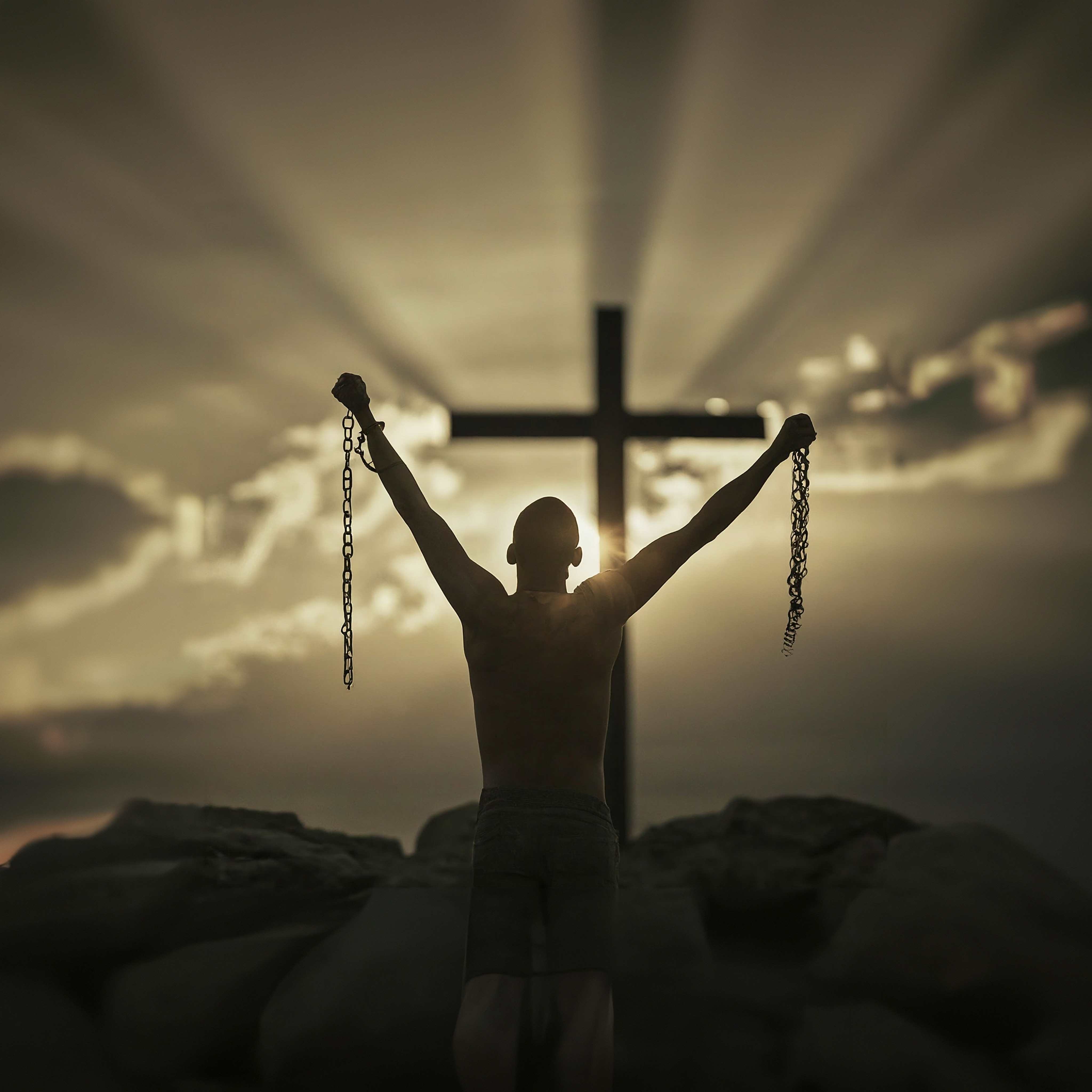
“For the law of the Spirit of life in Christ
Jesus has made me free from the law of sin and death.”
(Romans
8:2)
Elisha
– Hebrew Prophet – Britannica
Elisha
Hebrew prophet
Also known as: Elisaios, Eliseus
Britannica Editors
History
Elisha, in the Old Testament, Israelite prophet, the pupil
of Elijah, and also his successor (c. 851 BC). He instigated and directed
Jehu’s revolt against the house of Omri, which was marked by a bloodbath at
Jezreel in which King Ahab of Israel and his family were slaughtered.
The popular traditions about Elisha (2 Kings 2–13) sketch a
charismatic, quasi-ecstatic figure, very similar to Elijah. Like his mentor,
Elisha was a passionate exponent of the ancient religious and cultural
traditions of Israel, which both felt to be threatened by the ruling dynasty of
Omri, which was in alliance with Phoenicia. (King Ahab’s wife, the Tyrian
princess Jezebel, was then trying to introduce the worship of Baal into
Israel.) As a prophet, Elisha was a political activist and revolutionary. He
led a “holy war” that extinguished the house of Omri in Jerusalem as well as in
Samaria (2 Kings 9–10).
Quick Facts
Also spelled: Elisaios, or Eliseus
Flourished: c.900 BCE - c.801 BCE
Though Elisha recruited Jehu to revolt against and succeed
Ahab, it was Elijah who was instructed to anoint Jehu as Israel’s king (1 Kings
19:16). This is characteristic of the relationship between the two prophets; in
popular estimation Elisha always remains partly in the shadow of his master.
The story of the beginning of his apprenticeship (1 Kings 19:19–21) and the
account in which he becomes Elijah’s heir and successor (2 Kings 2:8–18) both
feature the prophetic “mantle.” In the first, Elijah casts it upon his pupil;
in the second, Elisha picks it up. The mantle, cultic garment of the prophet,
carries connotations of power and authority.